
Pet Preparedness Month: Is Your Pet Ready for an Emergency?

National Pet Preparedness Month reminds us that emergencies can happen at any time, and a little planning today can make a big difference when every minute counts. Whether it's a medical emergency, severe weather event, power outage, or an unexpected evacuation, a little preparation today can make a stressful situation much easier tomorrow.

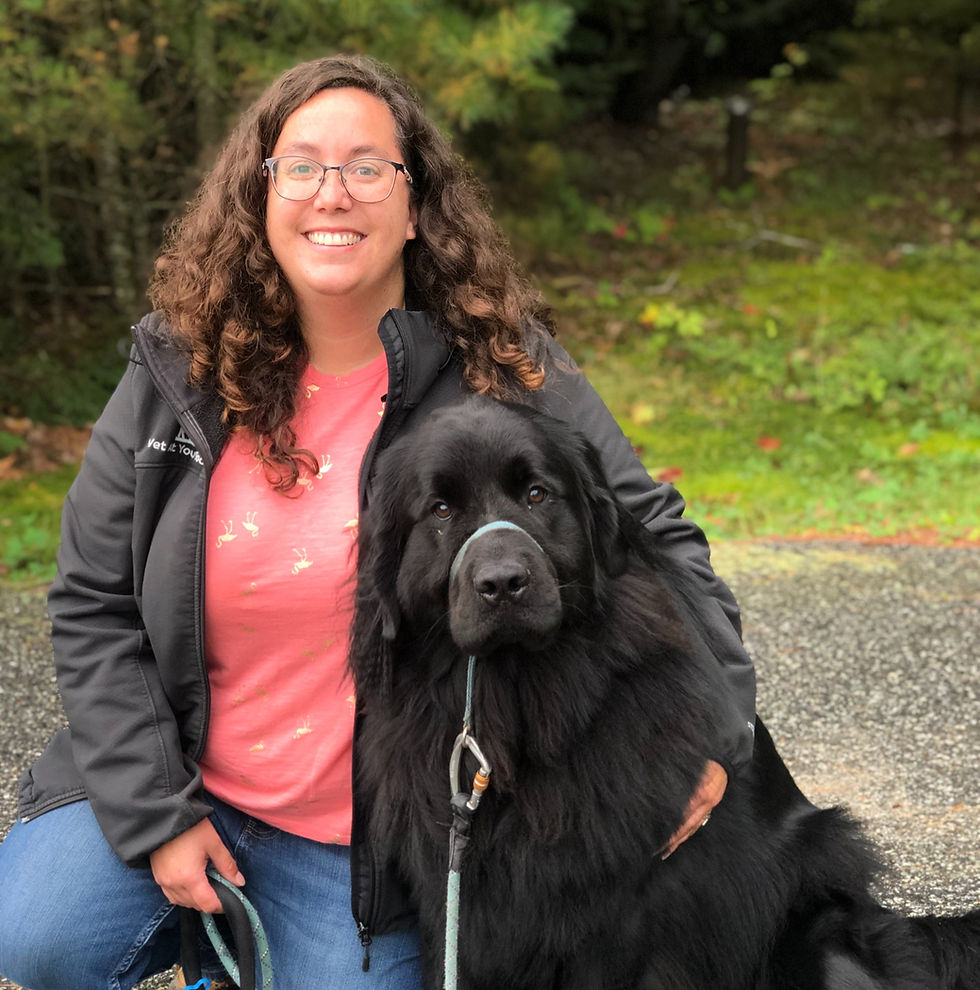
According to Dr. Heather Crispell, veterinarian at Vet at Your Door, one of the biggest challenges families face during emergencies is simply finding what they need.
“When something unexpected happens, you don't want to be running around the house looking for medications, leashes, food, or a cat carrier,” she says. “Having those items organized and accessible can save valuable time.”
And yes, she adds with a smile, cat carriers are often buried somewhere in the basement under a layer of cobwebs.
Three Things Every Pet Owner Should Do This Week
If you're not sure where to start, Dr. Crispell recommends focusing on three simple actions:
1. Know How You'll Pay for Emergency Care
Emergency veterinary care can be very expensive. Pet insurance can help reduce financial stress and allow you to focus on your pet’s medical needs rather than the cost of treatment.
2. Keep a Medication List Handy
Maintain an up-to-date list of your pet’s medications on your phone. In an emergency, veterinary teams will often ask what medications your pet is taking, when and what they last ate or drank, and any recent health concerns.
3. Make Transportation Easy
Ensure leashes, collars, harnesses, and carriers are easy to locate and ready to use. If your pet needs urgent medical attention, you don’t want transportation equipment to become an obstacle.
Build a Simple Pet Emergency Kit
A basic pet emergency kit does not need to be complicated. Consider including:
· Several days of food and water
· Current medications
· Leash, harness, or carrier
· Medical records
· Gauze and vet wrap for temporary bleeding control
· Comfort items such as a favorite blanket or toy
For Vet at Your Door clients, access to medical records is easier than ever. Records can be viewed through the client portal, making it simple to retrieve important health information when emergency providers need it.
Know Where to Go Before You Need To
Maine is fortunate to have excellent emergency and urgent care veterinary facilities. Dr. Crispell encourages pet owners to identify the closest options before an emergency occurs. Not every situation requires an emergency hospital. Some concerns can wait for your primary veterinarian, while others may be appropriate for urgent care.
For Vet at Your Door Membership clients, after-hours triage support can be especially valuable. If you’re unsure whether a situation requires emergency care, the triage team can help guide you toward the most appropriate next step.

Summer Hazards Every Pet Owner Should Know
With cookouts, family gatherings, and Fourth of July celebrations around the corner, summer brings several common risks for pets.
Some of the most dangerous include:
· Corn cobs
· Wooden skewers
· High-fat foods (think cheeseburgers)
· Human medications such as Advil (ibuprofen)
Corn cobs and skewers can easily cause intestinal blockages that require surgery. Rich foods can trigger severe digestive upset or pancreatitis. Human medications, even common over-the-counter products, can be highly toxic to pets.
Hidden Toxins Around the Home
Many pet owners know chocolate can be dangerous for dogs, but the risk depends on both the amount consumed and the type of chocolate. Dark chocolate is significantly more toxic than milk chocolate.
Other important hazards include:
· Grapes and raisins
· Zylitol Gum
· Alcohol
· Bread dough
· Rodenticides and insecticides
· Coffee and caffeine products
· Human medications, vitamins, and supplements
· Marijuana

For cats, one danger stands above the rest: true lilies.
Even small exposures to lily pollen, petals, or leaves can cause life-threatening kidney damage. If you suspect your cat has come into contact with a true lily, seek emergency veterinary care immediately.
One Final Thought
Emergencies are frightening. Dr. Crispell's most important advice is simple: stay calm.
A prepared pet owner can think more clearly, act more quickly, and help their veterinary team provide the best possible care. Taking a few minutes this month to organize supplies, locate your carrier, update medication lists, and review emergency resources can make all the difference when the unexpected happens.
Because when it comes to emergencies, preparation is one of the best gifts you can give your pet.


Comments