
Tips for Western Maine Pet Owners

The Environment is Changing and So Are the Risks

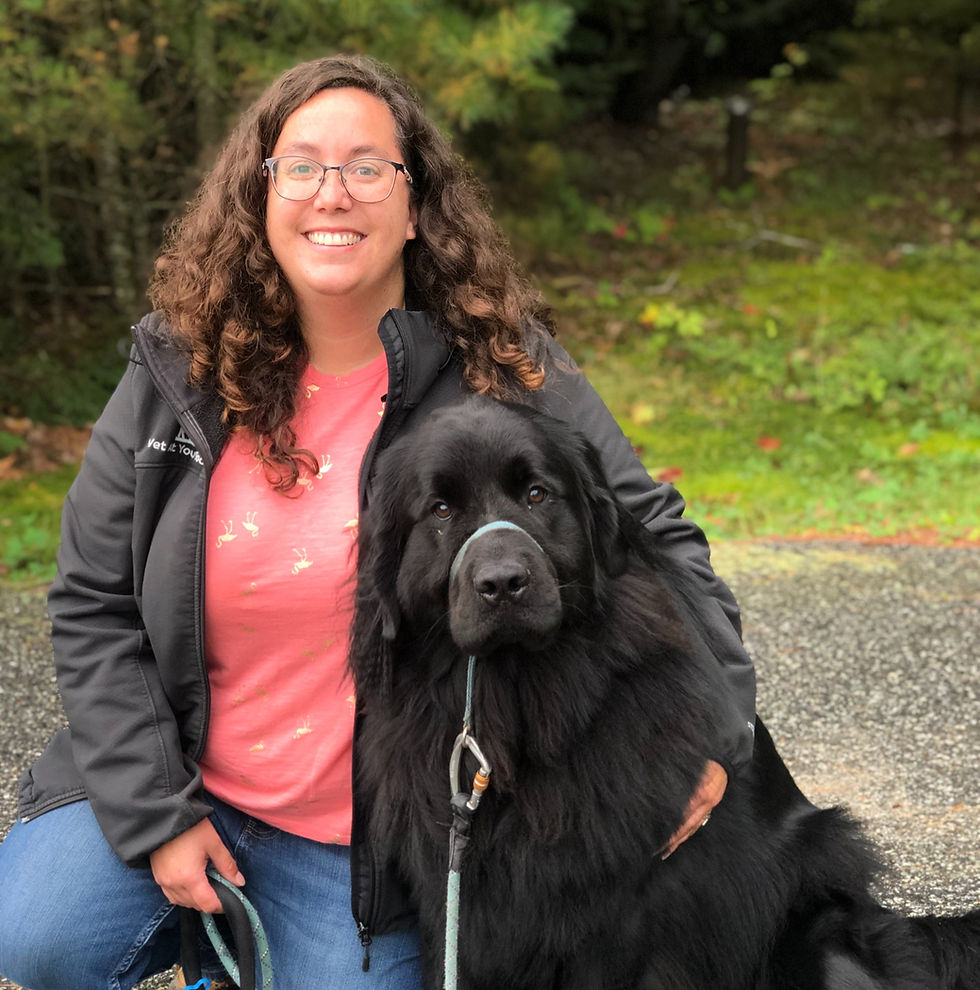
Dr. Julie Greenlaw has been caring for animals across Western Maine for years, building relationships with pet owners throughout Rangeley, Kingfield, Farmington and surrounding communities. As a veterinarian who prefers working on the road - seeing pets in their homes and understanding how they truly live - she has a unique perspective on the health challenges facing animals in this region. Increasingly, there are a few important things she wants local pet owners to be aware of.
Preventative care matters more than many people realize, especially when it comes to vaccines. While most pet owners are familiar with the basics, there are still gaps in understanding that can put pets at risk.
At a minimum, dogs need to be vaccinated for rabies and distemper, and cats require rabies and distemper as well, even if they live indoors. Rabies vaccination, in particular, is required by law. These core vaccines are essential and should always be kept up to date.
What Dr. Greenlaw is seeing more often is that the recommended vaccines, once considered optional in rural areas, are becoming increasingly important.
Ticks Aren’t an Issue in Western Maine, Right?
There’s a long-standing belief in places like Rangeley that ticks and tick-borne diseases are not a major concern. That may have been true years ago, but it’s no longer the case. Ticks are now present for much of the year, often up to nine months, and diseases like Lyme are becoming more common, even in Western Maine.
Because of this shift, Dr. Greenlaw strongly encourages pet owners to think beyond the basics. The Lyme vaccine for dogs, along with consistent tick prevention, has become an important part of protecting pets who spend time outdoors, which, in this region, is most of them. She also recommends the Leptospirosis vaccine, a disease spread through wildlife and standing water that is more prevalent in rural environments than many people realize. It requires an initial two-shot series followed by annual boosters, but it can prevent serious illness in both pets and humans.
For cat owners, especially those with outdoor cats, the feline leukemia vaccine is another important safeguard. Even limited exposure to the outdoors can increase risk, and many owners underestimate how easily transmission can occur.
Beyond vaccines, Dr. Greenlaw also sees the impact of rising veterinary costs on rural communities. Many pet owners are doing their best to balance care with affordability, and sometimes that leads to delaying or skipping preventative services. But in her experience, preventative care is what keeps costs manageable over time. Staying ahead of illness through vaccines, screening tests, and parasite prevention can help avoid more serious and expensive problems down the road.
To help make care more accessible, she offers a monthly clinic at The Country Mutt in Kingfield, where pet owners can come in for vaccines, heartworm testing, preventatives, and basic exams on a first-come, first-served basis. It’s one way to ensure that even those who may not be able to schedule an in-home visit can still keep their pets protected.
The takeaway for pet owners in Rangeley and across Western Maine is simple: the environment is changing, and so are the risks. Diseases that once felt distant are now closer to home, and preventative care has become more important than ever.
As Dr. Greenlaw sees it, taking a proactive approach by keeping vaccines current, protecting against ticks, and staying informed can make a meaningful difference in the long-term health and quality of life for your pet.


Comments